Routine cleaning and deep cleaning are both important, but they do different jobs. Knowing the difference helps you plan budgets, schedules and expectations.
Routine cleaning: keeping things in order
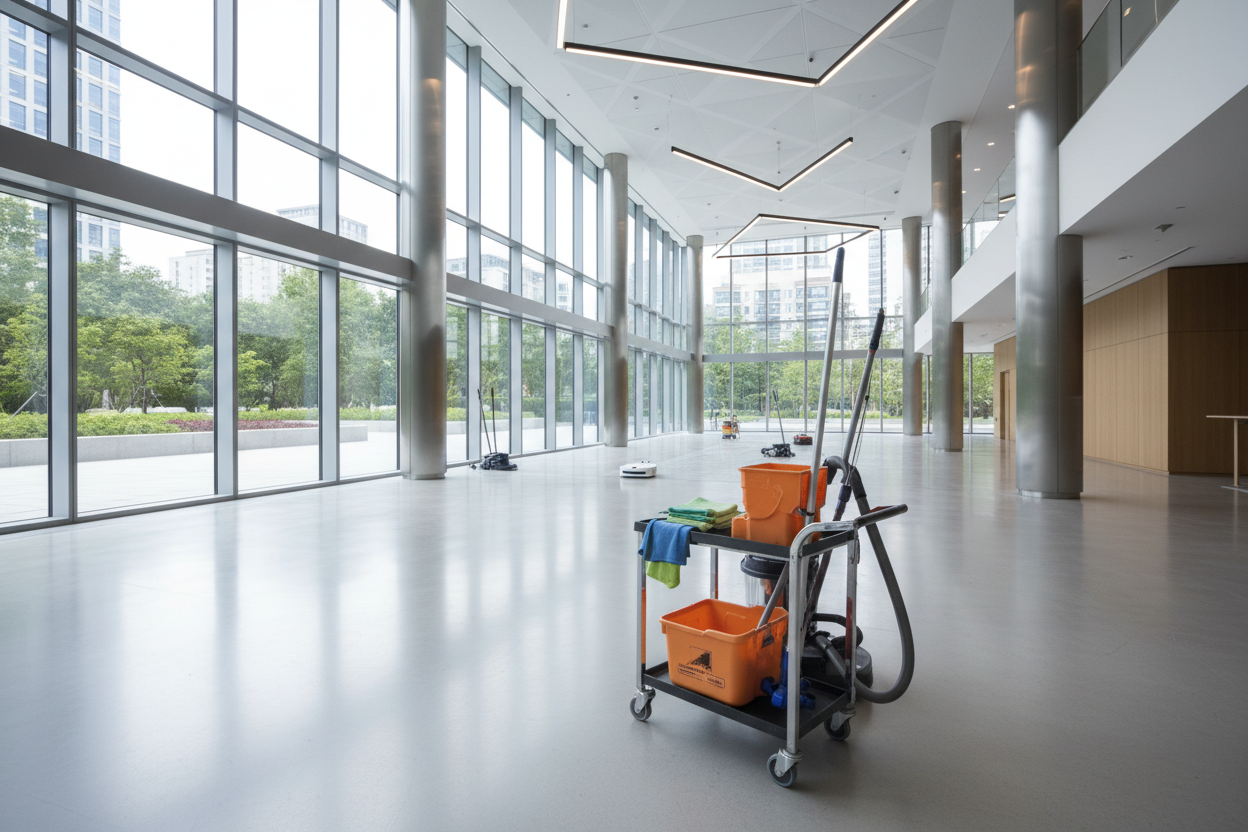
Routine cleaning covers the regular tasks that keep a space tidy and hygienic day to day: emptying bins, wiping surfaces, cleaning washrooms and pantries, vacuuming and mopping. It is scheduled daily or several times a week and focuses on visible, high-use areas.
Deep cleaning: resetting the space
Deep cleaning goes further and reaches the areas that routine cleaning does not. Typical examples include:
- High-level dusting of ledges, vents and light fittings
- Machine scrubbing of floors and descaling of washrooms
- Cleaning behind and under furniture and equipment
- Detailed cleaning of kitchens, pantries and their fittings
- Cleaning of grilles, skirting, doors and frames
When deep cleaning makes sense
- Before moving into, or after moving out of, a space
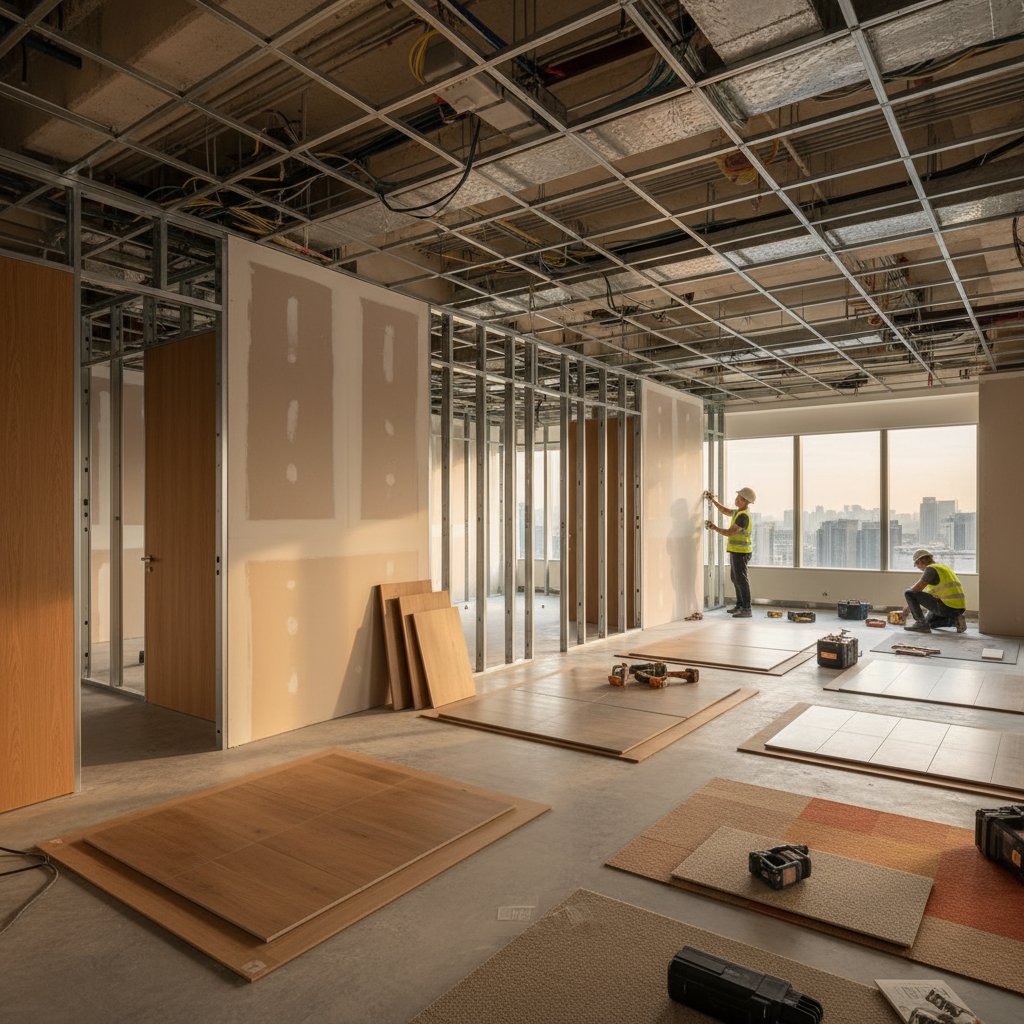
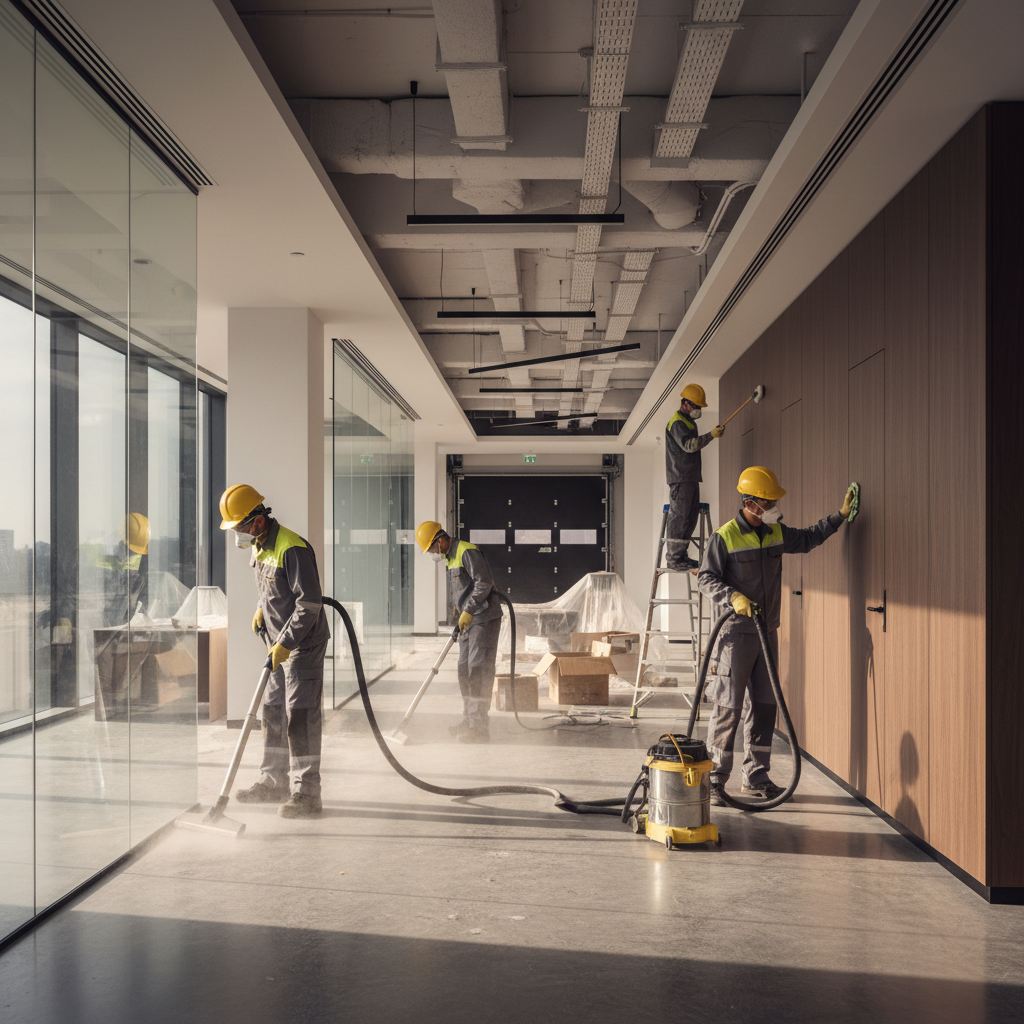
- After renovation or fit-out work, when fine dust settles everywhere
- Once or twice a year as a reset for busy premises
- After an incident such as a leak or flood, once repairs are done
- Before an inspection, audit or important event
Planning a deep clean
Deep cleaning takes longer and may need access outside normal hours, so it helps to agree the areas, timing and any furniture or equipment that needs to be moved in advance. Specialised tasks, restricted-access areas and high-level cleaning are subject to a site assessment, safe access arrangements and the agreed service scope. Combining a deep clean with a review of the routine schedule is a good way to keep standards up afterwards.
Getting started
Tell us about your premises and when you would like the work done. Our Deep Cleaning and Post-Renovation Cleaning pages explain what each covers.